Polished opal glass, when used in lighting, offers a distinctive aesthetic and functional contribution to interior design. Its characteristic milky-white appearance, achieved through the diffusion of light, lends a soft, even illumination to spaces. This material has been employed in decorative and functional lighting fixtures for a considerable period, evolving in its manufacturing techniques and design applications.
Polished opal glass is a type of glass that has been treated to achieve a translucent, diffused quality. Unlike clear glass, which transmits light directly, opal glass scatters light. This scattering effect is typically achieved through the introduction of opacifying agents, such as bone ash, feldspar, or synthetic compounds like titanium dioxide, during the glass manufacturing process. The resulting material possesses a milky or cloudy appearance when unlit, and it glows with a soft, uniform light when illuminated from within. The term “polished” refers to the surface finish, which is smoothed to a degree that reduces glare and enhances the quality of the emitted light. The absence of sharp shadows and the even distribution of light make it a preferred choice for various lighting applications.
The Composition and Manufacturing of Opal Glass
The creation of opal glass is a sophisticated process that involves carefully controlled chemical compositions and thermal treatments. The base material is typically soda-lime glass, a common and cost-effective type of glass. To achieve the opalescent effect, specific opacifying ingredients are introduced. These ingredients, often in the form of fine particles suspended within the glass matrix, act as light diffusers. When light encounters these particles, it is scattered in multiple directions. The opacity can be controlled by varying the type and concentration of these opacifying agents, as well as by adjusting the cooling rate of the molten glass.
Opacifying Agents and Their Role
The precise agents used can vary, but common examples include:
- Bone Ash: Historically, bone ash (calcium phosphate) was a primary opacifying agent. Its fine particulate structure effectively scatters light.
- Feldspar: This mineral group also contributes to opacity through its crystalline structure.
- Titanium Dioxide (TiO₂): This is a widely used modern opacifying agent, known for its high refractive index and ability to create a consistent, white diffusion. The presence of TiO₂ in crystalline form within the glass is key to its opalescent properties.
- Antimony Compounds: Certain antimony oxides have also been employed to achieve specific opacifying effects.
The intentional introduction of these materials creates microscopic inclusions within the glass. These inclusions refract and reflect light, preventing it from passing through in a direct, unscattered manner. The outcome is a light that is softened and spread evenly.
Thermal Processes and Annealing
Beyond the chemical composition, the thermal history of the glass is critical. The molten glass is shaped into the desired form (e.g., a shade, diffuser, or globe) and then undergoes a controlled cooling process known as annealing. Annealing is essential for relieving internal stresses that can develop during cooling, preventing the glass from cracking. For opal glass, the cooling rate can also influence the size and distribution of the opacifying particles, thereby affecting the final translucency and diffusion characteristics. Improper cooling can lead to undesirable effects, such as striations or inconsistent opacity.
Distinguishing Polished Opal Glass from Other Diffusers
It is important to differentiate polished opal glass from other light-diffusing materials. While materials like frosted glass, acrylic diffusers, or fabric shades also aim to soften light, they achieve this through different mechanisms and offer distinct visual and performance characteristics.
Frosted Glass vs. Opal Glass
Frosted glass typically achieves its diffusion through surface etching or sandblasting. This process creates a roughened surface texture that scatters light. While effective, frosted glass often retains a degree of visible texture and can be more susceptible to staining or scratching compared to polished opal glass. Opal glass, conversely, has its diffusion properties embedded within the material itself, offering a smoother, more uniform appearance and often greater durability. The light emitted from opal glass tends to be more uniform and less prone to revealing the underlying light source’s characteristics.
Acrylic and Plastic Diffusers
Acrylic and other plastic diffusers are often used for their lighter weight, shatter resistance, and cost-effectiveness. These materials can be engineered with additives to mimic the diffusing properties of glass. However, their light transmission and diffusion characteristics can differ. Plastics may also be more prone to yellowing over time due to UV exposure, a concern typically less prevalent with glass. Furthermore, the tactile feel and perceived quality of polished opal glass often surpass that of plastic alternatives.
Aesthetic Qualities and Design Applications
The primary appeal of polished opal glass in lighting lies in its ability to provide a soft, ambient glow. This characteristic makes it suitable for a wide range of interior design styles, from traditional to contemporary. Its neutrality allows it to blend seamlessly with various color palettes and materials.
Ambient and Task Lighting Solutions
Polished opal glass luminaires excel at creating a comfortable and inviting atmosphere. They are frequently employed as primary light sources in living rooms, bedrooms, and dining areas, where a diffused, glare-free illumination is desired. The even spread of light reduces harsh contrasts, contributing to a more tranquil environment.
In spaces requiring more focused light, such as kitchens or offices, polished opal glass can be used in conjunction with other lighting elements. For instance, a pendant light with an opal glass shade can provide general illumination while task lights highlight specific work areas. The diffusion ensures that the light from these pendants does not create distracting glare on work surfaces.
Versatility in Fixture Design
The malleability of glass during the manufacturing process allows for a diverse array of fixture designs incorporating polished opal glass. From classic globes and shades to more contemporary geometric shapes, the material lends itself to various forms. This versatility enables designers to integrate opal glass lighting into a multitude of aesthetic schemes.
Pendant Lights and Chandeliers
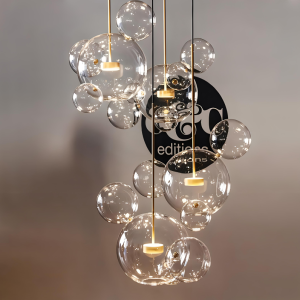
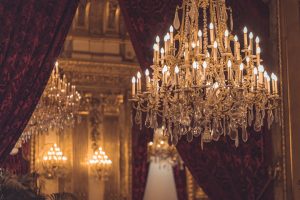
Opal glass pendant lights are a popular choice. They can be hung individually over dining tables or kitchen islands, or in clusters for a more dramatic effect. Their ability to diffuse light makes them ideal for creating a warm ambiance without overwhelming the space with direct light. In chandeliers, opal glass elements can add a touch of diffused elegance, softening the overall illumination and contributing to a sophisticated look.
Ceiling Fixtures and Wall Sconces
Ceiling-mounted fixtures, such as flush mounts or semi-flush mounts with opal glass diffusers, are common for providing general ambient lighting in hallways, bathrooms, and living areas. Their understated design integrates well into various ceiling types. Wall sconces featuring opal glass shades offer accent lighting and can complement the main lighting scheme, adding dimension and warmth to walls.
Table Lamps and Floor Lamps
Table lamps and floor lamps with polished opal glass shades are integral to creating layered lighting within a room. They provide localized light for reading or relaxation and contribute to the overall mood. The soft glow emanating from an opal glass shade on a bedside table, for example, can create a serene atmosphere conducive to sleep.
Technical Considerations for Polished Opal Glass Lighting
Beyond its aesthetic appeal, several technical factors are important when considering polished opal glass for lighting applications. These include light transmission levels, color rendering, and heat dissipation.
Light Transmission and Diffusion Properties
The degree to which light passes through opal glass is a crucial consideration. This is often quantified by its Light Transmission (LT) value. Opal glass typically has a lower LT than clear glass, meaning it absorbs or scatters a portion of the light. However, the scattering effect is what provides its desirable diffusion. The goal is to achieve a balance where sufficient light is emitted to illuminate the space, while the light source is effectively concealed and glare is minimized.
Achieving Optimal Lumen Output
Fixtures designed with polished opal glass often use higher wattage bulbs or LEDs to compensate for light loss due to diffusion. Alternatively, multiple smaller bulbs or a well-designed LED array can be employed to achieve the desired lumen output. The efficiency of the light source itself also plays a significant role in the overall performance of the fixture. Understanding the intended use of the space and the necessary illumination levels is key to selecting a fixture with appropriate light transmission.
Color Rendering Index (CRI) and Color Temperature
The color rendering capabilities of light sources used with opal glass are important for accurate color perception. A high Color Rendering Index (CRI) ensures that colors appear natural and vibrant under the illuminated light. While the opal glass itself does not alter the color temperature of the light source, its diffusion can slightly affect the perceived warmth or coolness of the light.
Impact on Perceived Color
The soft diffusion of opal glass can sometimes make colors appear slightly muted or less vibrant compared to direct light. This is an inherent characteristic of diffusion. When accurate color representation is paramount, such as in galleries or retail environments, pairing opal glass with high-CRI light sources is essential. The choice of bulb’s color temperature (warm white, cool white, etc.) will also significantly influence the mood and perceived colors within the space.
Thermal Management and Bulb Compatibility
Like any lighting fixture, heat generated by the light source needs to be managed, especially when enclosed within glass. Polished opal glass can withstand moderate heat, but compatibility with the chosen bulb type is crucial.
LED Technology and Heat Dissipation
The advent of LED technology has revolutionized lighting. LEDs produce significantly less heat than incandescent bulbs, making them ideal for use with enclosed glass fixtures like those made from opal glass. Many modern opal glass fixtures are specifically designed for LED compatibility, incorporating heat sinks and ventilation to ensure the longevity of the light source and the fixture itself. When using incandescent or halogen bulbs, careful consideration of wattage and ventilation is necessary to avoid overheating the glass and surrounding materials.
Maintenance and Durability of Polished Opal Glass
The practicalities of owning and maintaining lighting fixtures are significant for long-term satisfaction. Polished opal glass offers a good balance of durability and ease of care.
Cleaning and Care Recommendations
The smooth, polished surface of opal glass is relatively easy to clean. Dust and light smudges can typically be wiped away with a soft, dry microfiber cloth. For more stubborn marks or grime, a slightly damp cloth with a mild, non-abrasive detergent can be used, followed by drying with a clean cloth. It is important to avoid harsh chemicals or abrasive cleaning tools, which could scratch or damage the glass surface.
Avoiding Damage and Deterioration
Regular dusting helps prevent the buildup of grime that can be more difficult to remove. When handling glass fixtures, particularly during installation or cleaning, it is advisable to wear gloves to prevent fingerprint smudges and to maintain a firm grip. For fixtures in high-moisture environments, like bathrooms, ensuring adequate ventilation can help prevent condensation and potential long-term damage.
Resistance to Environmental Factors
Polished opal glass is generally resistant to yellowing and degradation from typical indoor environmental factors like UV light, especially when compared to some plastic alternatives. Its inherent material properties contribute to its longevity and sustained aesthetic appeal.
Longevity in Residential and Commercial Settings
In residential settings, well-maintained polished opal glass fixtures can last for many years, retaining their luminous quality. In commercial applications, where fixtures may experience more frequent use and potentially harsher cleaning regimes, their durability is also a key advantage. The stability of the diffusion and the resilience of the polished surface contribute to a consistent lighting experience over time.
Enhancing Ambiance with Polished Opal Glass Light
The strategic use of polished opal glass in lighting design is a powerful tool for shaping the atmosphere and functionality of a space. It is not merely about illumination; it is about creating an experience.
The Psychological Impact of Soft Light
The soft, diffused light produced by polished opal glass has a demonstrable impact on human perception and mood. It can create a sense of calm, reduce visual fatigue, and promote relaxation. This makes it an excellent choice for spaces where comfort and tranquility are prioritized. For instance, in a bedroom, the gentle glow from an opal glass lamp can foster a more peaceful environment for unwinding.
Creating a Welcoming and Soothing Environment
By eliminating harsh glare and sharp contrasts, opal glass lighting contributes to a more inviting and less visually taxing atmosphere for both residential and commercial spaces. This is particularly beneficial in areas where people spend extended periods, such as living rooms, lounges, or waiting areas. The uniformity of the light can make a space feel more cohesive and less jarring.
Integrating Opal Glass into Different Design Styles
Polished opal glass is remarkably adaptable. Its clean, milky appearance can complement a wide array of interior design aesthetics.
Harmonizing with Modern and Minimalist Interiors
In modern and minimalist designs, where clean lines and uncluttered spaces are key, opal glass fixtures provide a subtle yet effective source of illumination without introducing visual clutter. A simple opal glass pendant over a sleek dining table or a flush-mount ceiling fixture can enhance the minimalist aesthetic by providing ambient light without distracting ornamentation.
Adding a Touch of Elegance to Traditional Settings
Even in more traditional or classic interiors, polished opal glass can provide a refined touch. Its translucent quality can add a softness that complements ornate decor. For example, an opal glass sconce flanking a fireplace in a traditional living room can cast a gentle, warm light that enhances the room’s ambiance without competing with established decorative elements. The material’s timeless appeal allows it to bridge the gap between different design eras.
The Role of Light Diffusion in Spatial Perception
The way light interacts with space significantly influences our perception of its size and character. Polished opal glass, through its diffusive properties, plays a unique role in this regard.
Softening Boundaries and Creating Depth
By scattering light and reducing sharp shadows, opal glass can visually soften the edges of a room and create a greater sense of depth. This effect can make smaller spaces feel more expansive and open. When light is spread evenly, the eye is less drawn to harsh lines and corners, allowing the overall form and volume of the space to be perceived more uniformly. This technique can be particularly advantageous in rooms with architectural limitations or where a sense of spaciousness is desired.
The subtle interplay of light and shadow is a fundamental aspect of interior design, and polished opal glass offers a controlled and sophisticated way to manage these elements, contributing to a more harmonious and visually appealing environment.