Certainly. Here is an article on the topic you specified, written in a factual Wikipedia style.
The Statement Chandelier: A Focal Point in Elegant French Dining Rooms
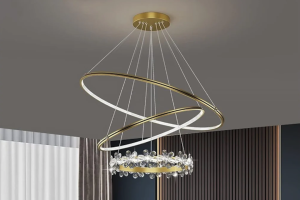
The dining room, as a dedicated space for shared meals and conversation, has long held a significant place in French domestic architecture and interior design. Within this space, the chandelier has evolved from a practical source of light to a central element of aesthetic expression. This article explores the role of the statement chandelier Looou in elegant French dining rooms, examining its historical context, material evolution, design principles, and impact on atmosphere.
The evolution of the statement chandelier in French dining rooms is inextricably linked to broader trends in French history, architecture, and interior decoration. From early forms of communal eating to the elaborate salons of Versailles, light fixtures have always played a dual role of illumination and adornment.
Early Lighting and Social Rituals
Before the advent of the chandelier as we recognize it today, dining spaces relied on more rudimentary lighting. Torches, candles held in wall sconces, and simple candelabra provided illumination. These early methods, while functional, lacked the dramatic presence that would later characterize French dining room design. The act of dining itself was also a more communal and less formal affair for many, with emphasis on nourishment rather than atmosphere.
The Court of Versailles: A Crucible of Design
The court of Louis XIV at Versailles is often cited as a turning point in the development of opulent interiors. Here, the need to entertain lavishly and to project an image of grandeur led to the creation of increasingly elaborate decorative elements.
The Emergence of the Candelabra Chandelier
Initially, chandeliers were often essentially large, wrought-iron structures designed to hold numerous candles. These were more akin to enormous candelabra suspended from the ceiling. They were heavy, often ornate, and limited in their ability to diffuse light effectively. However, their sheer scale and the number of candles they bore began to suggest a desire for a central, dominant light source.
The Influence of Materials: Crystal and Gilding
The introduction and widespread adoption of cut glass, particularly Bohemian crystal, in the 18th century, was a transformative development. Crystal refracts light, creating a dazzling display of sparkle and color. This material, when combined with gilded bronze or other luxurious metals, allowed for the creation of chandeliers that were not merely functional but also sculptural works of art. The opulence of Versailles demanded no less. It was in this environment that chandeliers began to assert themselves as statement pieces, drawing the eye and enhancing the sense of occasion.
The Revolution and Beyond: Shifting Aesthetics
Following the French Revolution, while grand aristocratic dining rooms were dismantled or repurposed, the desire for well-appointed interiors persisted. The 19th century saw the rise of the bourgeoisie, who emulated the tastes of the aristocracy, commissioning elaborate furnishings for their own homes.
Gas Lighting and New Forms
The advent of gas lighting in the 19th century allowed for brighter, more controlled illumination. This technological advancement led to new designs for chandeliers, which could now incorporate more intricate metalwork and glass components without the same risks associated with open flames. The scale and complexity of chandeliers continued to increase, reflecting a continued emphasis on decorative richness.
The Belle Époque and Art Nouveau
The late 19th and early 20th centuries, particularly the Belle Époque, witnessed a flourishing of artistic styles. Art Nouveau, with its organic forms and flowing lines, influenced chandelier design. These pieces often featured intricate, nature-inspired motifs in bronze, glass, and sometimes even enamel. The dining room, as a space for formal entertaining, remained a prime location for such decorative statements.
Materiality and Craftsmanship: The Foundation of Elegance
The enduring appeal of French dining room chandeliers lies significantly in the quality and selection of their materials. The interplay of metal, glass, and other decorative elements, realized through meticulous craftsmanship, dictates the chandelier’s visual impact and its contribution to the room’s overall atmosphere.
The Lustrous Allure of Crystal
Crystal, particularly lead crystal, is the material most intrinsically associated with the grandeur of French chandeliers. Its ability to refract and reflect light creates a dynamic and captivating visual effect.
Cut and Faceted Surfaces
The precise cutting and faceting of crystal prisms and beads are not merely decorative; they are engineered to maximize light dispersion. Each facet acts as a miniature prism, splitting white light into its constituent colors, much like a tiny rainbow trapped within the glass. This is how the shimmering, dynamic quality of a crystal chandelier is achieved.
The Range of Crystal Types
While lead crystal is prized for its brilliance and weight, other forms of glass are also employed. Bohemian glass is known for its rich colors, while Murano glass from Venice adds a distinct artisanal flair with its unique techniques and often more organic forms. The choice of crystal influences the character of the chandelier, from a dazzling, almost ethereal glow to a more subdued, artistic luminescence.
The Richness of Metals: Bronze and Beyond
Metal forms the armature of the chandelier, supporting the glass components and contributing significantly to its structural and aesthetic integrity.
Gilded Bronze: A Symbol of Nobility
Gilded bronze (or ormolu) has been a staple in French decorative arts for centuries. The process of gilding, typically using mercury or electroplating, achieves a lustrous gold finish that is both durable and exceptionally rich. Gilded bronze adds a regal and opulent note, hinting at historical associations with monarchy and aristocratic taste. The patina that can develop over time on well-maintained bronze further enhances its inherent beauty.
Other Metal Choices: Iron, Brass, and Silver
While bronze is prominent, other metals also feature. Wrought iron, particularly in earlier periods, provided a more robust and sometimes rustic aesthetic. Brass, with its warmer hue, offers a sophisticated alternative to gold. Silver and nickel plating, while less historically common for large statement chandeliers, can contribute a more contemporary feel or complement cooler color palettes.
The Embrace of Other Decorative Elements
Beyond crystal and metal, numerous other materials are incorporated to enhance the visual richness of statement chandeliers.
Porcelain and Bisque Accents
Porcelain, especially in its unglazed bisque form, can lend a softer, more tactile quality. Figurines, floral motifs, or decorative plaques crafted from porcelain can add a unique charm, often reminiscent of Sèvres porcelain.
Wood and Other Materials
In certain styles, particularly those influenced by rustic or neoclassical aesthetics, carved wood elements might be integrated. More contemporary interpretations might even experiment with acrylics or other modern materials, though the traditional emphasis remains on classic compositions.
Design Principles: Shaping the Statement
The effectiveness of a statement chandelier in an elegant French dining room hinges on its adherence to certain design principles. These principles relate to its scale, proportion, style, and its interaction with the surrounding architecture and furnishings.
Scale and Proportion: The Art of Balance
The most crucial factor in a successful statement chandelier is its scale and proportion relative to the dining room. A chandelier that is too small will be lost, failing to command attention. Conversely, one that is disproportionately large can overwhelm the space, making it feel cramped and unbalanced.
The Dining Table as a Counterpoint
Traditionally, the primary reference point for chandelier sizing is the dining table. A common guideline suggests that the diameter of the chandelier should be roughly two-thirds to three-quarters the width of the dining table. This ensures a visual connection and a sense of balance.
Ceiling Height Considerations
Ceiling height is another critical determinant. A tall ceiling can accommodate a more voluminous and dramatic chandelier, perhaps with multiple tiers or a greater drop. A lower ceiling necessitates a shallower, more streamlined design to avoid impeding movement or creating a feeling of oppression. The “sweet spot” for hanging is typically 30 to 36 inches above a tabletop.
Stylistic Harmony: A Visual Dialogue
The style of the chandelier must engage in a harmonious dialogue with the overall stylistic character of the dining room. While a statement piece can introduce a contrasting element, it should not feel entirely alien to its environment.
Neoclassical Elegance
Neoclassical chandeliers often feature clean lines, architectural motifs, and symmetrical arrangements. They typically employ materials like gilded bronze and crystal, reflecting a sense of order and refinement. These complement dining rooms that embrace symmetry, classical detailing, and a restrained color palette.
Baroque and Rococo Flourish
Chic chandeliers in the Baroque or Rococo styles are characterized by their exuberance, asymmetry, and elaborate ornamentation. Swirling forms, floral carvings, and abundant crystals are common. These pieces are suited to dining rooms that embrace a more dramatic, theatrical atmosphere, with rich fabrics and detailed mouldings.
Art Deco Sophistication
Art Deco chandeliers, with their geometric patterns, streamlined forms, and often chrome or brass finishes, offer a distinct modern elegance. They can introduce a touch of stylized glamour and visual interest to a dining room that leans towards mid-century or contemporary design.
The Role of Light: More Than Just Illumination
A statement chandelier’s primary function is to illuminate, but the quality and diffusion of that light are paramount to the dining room experience.
Diffused versus Direct Light
The design of the chandelier dictates how light is distributed. Some chandeliers emit a bright, direct light, suitable for tasks requiring close visibility. Others feature frosted glass shades, diffusers, or strategically placed crystals to soften the light, creating a more ambient and inviting glow. For a dining room, a balance is often sought, with sufficient light for practical purposes but also a warm, atmospheric quality.
The Play of Light and Shadow
The interaction of light with the chandelier’s materials can create dynamic patterns of light and shadow on the walls and ceiling. This visual dynamism adds depth and interest to the room, transforming it into a more engaging space. The sparkle of crystal can dance across surfaces, imbuing the atmosphere with a sense of animation.
Creating Atmosphere: The Emotional Resonance of Light
The statement chandelier is not merely a decorative object; it is a powerful tool for shaping the emotional and atmospheric qualities of a French dining room. Its presence can elevate the mundane act of eating into an occasion, fostering a sense of warmth, intimacy, and even festivity.
The Intimacy of Ambiance
The quality of light emitted by a well-chosen chandelier can profoundly influence the mood of the dining room. Soft, warm, and diffused lighting encourages conversation and a sense of conviviality. It creates a cocoon of light that draws people together, making the space feel more intimate and personal.
The “Golden Hour” Effect
When dimmed or illuminated by candles (or their modern equivalents), a statement chandelier can replicate the universally appealing “golden hour” light – that soft, warm glow that precedes sunset. This naturalistic lighting mimics a comforting dusk, ideal for relaxed yet elegant dining.
Enhancing Social Interaction
The soft illumination can diminish harshness and soften features, contributing to a more relaxed and approachable atmosphere. This can encourage guests to linger, engage in deeper conversation, and feel more at ease, essential ingredients for memorable social gatherings.
The Grandeur of Occasion
Conversely, a more dramatic and brilliantly lit statement chandelier can imbue the dining room with a sense of grandeur and occasion. This is particularly true for formal dinners and celebrations.
A Sense of Ceremony
The sheer presence of a large, ornate chandelier can inherently elevate the dining experience, transforming a meal into a more formal and ceremonial event. It signals that the occasion is special, deserving of a heightened aesthetic presentation.
The “Wow” Factor
A truly striking statement chandelier is often the first thing guests notice upon entering the dining room. It acts as an immediate visual anchor, generating admiration and setting a tone of refined elegance. This “wow” factor contributes significantly to the overall impression of the home and its host.
The Personal Touch: Reflecting Taste and Personality
Beyond adherence to stylistic conventions, the choice of statement chandelier is a deeply personal one. It offers an opportunity for the homeowner to express their individual taste, aesthetic sensibilities, and even their aspirations.
A Curated Collection
A statement chandelier can be a piece of art in its own right, carefully chosen to complement other curated items within the room, such as artwork, antique furniture, or fine china. It becomes another layer in the narrative of the owner’s life and their appreciation for beauty.
An Enduring Legacy
In many French homes, dining rooms and their chandeliers are passed down through generations. The chandelier, therefore, can become more than just décor; it can be a tangible link to family history, a silent witness to countless meals and gatherings, carrying the weight of shared memories and traditions.
The Modern French Dining Room: Evolving Interpretations
While the historical underpinnings of the statement chandelier in French dining rooms are significant, contemporary interpretations demonstrate an ongoing evolution of this iconic fixture. Designers and homeowners are finding new ways to integrate grand lighting into modern living spaces.
Fusion and Juxtaposition
Modern French dining rooms often blend traditional elements with contemporary design. A statement chandelier, therefore, might be a vintage piece in a minimalist room, or a modern, sculptural fixture in a room with classic architectural details. This juxtaposition creates visual interest and prevents the space from feeling dated or predictable.
The Minimalist Backdrop
In a dining room with clean lines, understated furniture, and a pared-back color palette, a grand statement chandelier can serve as the sole, dramatic focal point. Its scale and intricate detail provide an unexpected flourish, preventing the minimalism from becoming sterile.
Classic Setting with Modern Light
Conversely, a more traditional dining room, perhaps with antique furniture and ornate mouldings, can be revitalized by a strikingly modern chandelier. This could be a geometric design in polished metal, a cluster of minimalist glass pendants, or a fixture with an avant-garde form. This approach injects a contemporary dynamism into a classic setting.
Redefining Materiality and Scale
Contemporary designers are also experimenting with materials and forms that move beyond historical precedents, while still aiming for a statement effect.
Unconventional Materials
While crystal and bronze remain popular, designers are increasingly incorporating materials like acrylic, resin, wood, and even innovative textile applications into chandelier designs. These innovations can offer unique textures, colors, and lighting qualities.
Oversized Minimalism
In some contemporary designs, the “statement” comes not from overt ornamentation, but from a dramatic scaling up of simple forms. A single, large orb of frosted glass, or a massive geometric structure in brushed metal, can possess an undeniable impact through its sheer presence and size.
The Smart Chandelier: Integrating Technology
The evolution of lighting technology has also found its way into the statement chandelier.
Dimmable and Color-Adjustable Lighting
Modern chandeliers often feature integrated LED lighting systems that are dimmable and can adjust their color temperature. This allows homeowners to precisely control the ambiance of the dining room for different occasions, from bright task lighting for family meals to a soft, warm glow for sophisticated dinner parties.
Voice Control and Smart Home Integration
The ability to control lighting via voice commands or through smart home systems adds a layer of convenience and modern functionality to even the most classically inspired statement chandeliers.
The statement chandelier in an elegant French dining room remains a potent symbol of taste, artistry, and the desire to elevate the everyday act of dining into an experience. Whether a gilded antique echoing centuries of tradition or a bold contemporary creation, its capacity to command attention, shape atmosphere, and anchor the visual narrative of the room ensures its enduring relevance. It is the silent conductor of the dining opera, orchestrating light, shadow, and conversation.