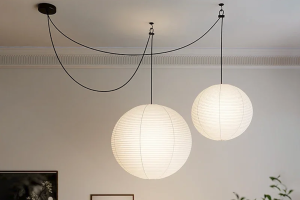
Thinking about adding a touch of elegance and artistry to your home? An exquisite Chinese hand-painted porcelain decorative lamp might be just the thing. These aren’t your average lamps; they’re functional art pieces that bring a unique cultural flair and a warm glow to any space. Let’s dive into what makes them special and how to choose one that fits your style.
Chinese hand-painted porcelain isn’t a new trend; it’s a tradition that stretches back centuries, honed by generations of skilled artisans. This craftsmanship elevates a simple lamp Aifeellighting into something more meaningful.
A Legacy of Craftsmanship
The history of porcelain in China is incredibly rich. From the delicate Song Dynasty monochromes to the vibrant Ming and Qing Dynasty ceramics, each era brought its own distinct styles and techniques. Hand-painted porcelain lamps draw from this deep well of artistic heritage.
The Human Touch
What truly sets these lamps apart is the artistry. Each stroke of paint is applied by hand, meaning no two lamps are ever exactly alike. This individual attention from the artist imbues the piece with a unique character that mass-produced items simply can’t replicate.
Materials Matter
The porcelain itself is often made with high-quality kaolin clay, fired at high temperatures to achieve that characteristic translucence and durability. The pigments used for painting are also carefully chosen, often derived from natural minerals, and applied in multiple layers to achieve depth and vibrancy.
Understanding the Design Elements
When you look at a Chinese hand-painted porcelain lamp, there are several design aspects that contribute to its overall appeal and character.
Intricate Motifs and Symbolism
The hand-painted designs aren’t just pretty pictures; they often carry symbolic meaning rooted in Chinese culture and philosophy.
Common Motifs and Their Meanings
- Dragon: Represents power, strength, good luck, and control over water and weather. Often depicted with claws, scales, and a serpentine body.
- Phoenix: Symbolizes beauty, good fortune, prosperity, and the empress. Frequently paired with the dragon.
- Peony: Known as the “king of flowers,” it signifies wealth, honor, prosperity, and romance.
- Lotus: Represents purity, enlightenment, rebirth, and spiritual awakening. Its ability to grow from muddy water into a beautiful flower is highly symbolic.
- Carp (Koi): Symbolize perseverance, success, and good fortune. The legend of the carp swimming upstream to become a dragon is a powerful metaphor.
- Birds (like Cranes or Mandarin Ducks): Cranes often represent longevity and good fortune. Mandarin ducks are symbols of marital harmony and fidelity.
- Landscapes: Serene mountain scenes, flowing rivers, or misty valleys evoke a sense of peace, harmony with nature, and scholarly pursuits.
- Calligraphy: Elegant brush strokes can be poems, auspicious phrases, or philosophical quotes, adding a layer of intellectual and aesthetic depth.
Color Palettes and Their Significance
The colors used in the painting are not arbitrary. They are chosen for their aesthetic impact and sometimes for their cultural associations.
Dominant Color Schemes
- Blue and White: A classic and timeless combination seen since the Yuan Dynasty. The cobalt blue provides a stark contrast against the white porcelain, often used for intricate patterns or narrative scenes.
- Vibrant Multi-Color Schemes: Often featuring reds, greens, yellows, and purples, these palettes are characteristic of later dynasties like the Ming and Qing. They tend to be more opulent and expressive, suitable for more elaborate designs.
- Monochromatic Designs: While less common for decorative lamps which often aim for visual interest, some pieces might feature elegant monochromatic painting, often in shades of red or green, for a more understated sophistication.
Form and Shape of the Porcelain Base
The shape of the porcelain itself plays a significant role in the lamp’s overall aesthetic.
Popular Lamp Base Shapes
- Vase-Shaped: Often drawing inspiration from traditional Chinese vases like meiping (plum blossom vases), ginger jars, or baluster vases. These offer a classic and elegant silhouette.
- Drum-Shaped: A cylindrical or slightly waisted form that provides a stable and generous surface for larger-scale paintings.
- Spherical or Globular: These rounded forms can create a softer, more organic feel, allowing for wrap-around designs.
- Architectural or Figurative: Less common, but some lamps might incorporate porcelain elements that resemble pagodas, scholars, or mythical creatures as the base.
Choosing the Right Lamp for Your Space
Selecting a hand-painted porcelain lamp involves more than just picking a pretty design. It’s about finding a piece that complements your home’s decor and meets your functional needs.
Style Considerations
Think about the existing aesthetic of your room. Does it lean towards traditional, modern, or eclectic?
Matching Your Decor
- Traditional and Elegant: A lamp with classic blue and white motifs or intricate landscape scenes on a traditional vase shape will fit seamlessly.
- Modern and Eclectic: A lamp with a bolder, more stylized design, perhaps with vibrant colors or a unique shape, can serve as a striking focal point. Even a classic design can add an unexpected touch of old-world charm to a modern setting.
- Bohemian or Global Inspired: Lamps with rich, detailed paintings featuring mythical creatures or floral patterns can enhance a space with a curated, worldly feel.
Size and Scale
The size of the lamp needs to be in proportion to the furniture it will sit on and the overall dimensions of the room.
Finding the Perfect Fit
- For a Console Table or Bedside Table: A medium-sized lamp, typically 18-24 inches tall including the shade, often works well.
- For a Grand Entryway or Living Room Side Table: A larger lamp, perhaps 24-30 inches or even taller, can make a statement.
- Consider the Diameter of the Shade: A wide shade on a narrow base can look top-heavy, and vice versa. Ensure a balanced appearance.
Lighting Needs
Beyond its decorative qualities, the lamp needs to provide the right kind of light.
Functional Aspects of the Light
- Ambient Lighting: If you want a soft, diffused glow for reading or relaxation, choose a lamp with a fabric shade that softens the light.
- Task Lighting: For areas where you need brighter light, such as a desk or reading nook, ensure the lamp is positioned appropriately and consider the bulb wattage.
- Lamp Socket and Bulb Type: Most modern lamps will have standard screw-in sockets (E26 or E27). Check the maximum wattage the socket can handle to avoid overheating the shade or bulb. LED bulbs are a great energy-efficient option.
Where to Find and What to Look For
Shopping for these lamps can be an enjoyable exploration. Knowing where to look and what quality indicators to observe will lead you to a better find.
Sourcing Your Lamp
The availability and selection of these lamps can vary greatly depending on where you shop.
Retail Avenues
- Specialty Home Decor Stores: Look for stores that focus on Asian imports or handcrafted items.
- Antique and Vintage Shops: You might find older, unique pieces with a rich history. Be prepared to do some research and potential restoration.
- Online Retailers: Many online marketplaces offer a wide selection, but it’s crucial to buy from reputable sellers and examine product descriptions and images carefully.
- Direct from Artisans or Galleries: If you have the opportunity, buying directly can offer a more authentic experience and potentially better pricing, especially if you are traveling in China.
Quality Indicators
When evaluating a hand-painted porcelain lamp, pay attention to these details.
Spotting Quality Craftsmanship
- Evenness of the Porcelain: The porcelain should be smooth, without significant bumps, cracks, or glaze imperfections.
- Clarity of the Painting: The brushstrokes should be precise and well-defined. Are the colors rich and vibrant, or dull and muted?
- Consistency of the Design: While no two are identical, the overall design should be executed consistently across the piece. If there are multiple motifs, they should be well-placed and balanced.
- Foil on the Base: A good quality lamp will often have a felt or fabric base to protect your furniture from scratches.
- Electrical Components: Ensure the wiring and socket appear to be in good condition and meet current safety standards. Some higher-end lamps might have antique-style fittings or certifications.
- Weight and Thickness of the Porcelain: Quality porcelain is typically substantial; consider the weight as an indicator of the material’s density and firing quality. Thin, flimsy porcelain can be a sign of lower quality.
Integrating and Caring for Your Lamp
Once you’ve selected your perfect lamp, bringing it into your home and keeping it looking its best is straightforward.
Placement and Setup
The placement of your lamp can highlight its features and enhance the room’s atmosphere.
Strategic Positioning
- Creating a Focal Point: Place the lamp where it can be seen and admired. A corner of a room, a hallway table, or a secondary seating area can benefit from its visual appeal.
- Enhancing Ambiance: Position lamps to cast light on specific areas, creating mood, or to add warmth to shadowy corners.
- Balancing the Room: Use lamps to balance furniture arrangements and create visual harmony.
Maintenance and Care
Porcelain is durable, but like any art piece, it requires some gentle care.
Keeping it Pristine
- Dusting: Use a soft, dry cloth or a feather duster to gently remove dust. For more stubborn dust in crevices, a soft brush (like a makeup brush) can be useful.
- Cleaning the Porcelain: If the porcelain needs a more thorough clean, dampen a soft cloth with water and a mild, non-abrasive cleaner (like dish soap diluted in water). Avoid harsh chemicals or abrasive scrubbers, as these can damage the glaze or the paint. Wipe down the porcelain and then dry it thoroughly with a clean, soft cloth.
- Cleaning the Shade: Fabric lampshades can often be cleaned by following the manufacturer’s instructions. For most fabric shades, vacuuming with a brush attachment or using a lint roller is effective. For stubborn spots, a professional cleaning might be necessary.
- Handling: Always lift the lamp by its base, not by the shade or the porcelain neck, to avoid putting stress on the components.
- Bulb Replacement: When replacing the bulb, ensure the lamp is unplugged and has cooled down. Use the correct wattage as indicated on the lamp’s tag to prevent damage.
By understanding the artistry, symbolism, and practical aspects, you can confidently choose and enjoy an exquisite Chinese hand-painted porcelain decorative lamp as a beautiful and enduring addition to your home.