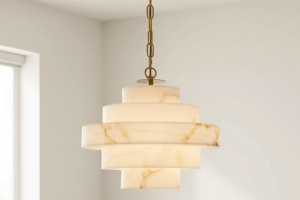
Blending Imperfection with Practicality: The Wabi-Sabi Recycled Plastic Reading Lamp
Can you really have elegance and sustainability in your bathroom, especially with something as functional as a reading lamp? Absolutely. A Wabi-Sabi inspired reading lamp made from recycled plastic for your bathroom vanity isn’t just possible, it’s a smart, stylish, and environmentally conscious choice that offers a unique aesthetic and practical illumination. This approach celebrates the beauty of imperfection and the value of repurposed materials, creating a piece that’s both functional and thought-provoking. It’s about bringing a sense of calm and a touch of the unique to a space often overlooked for design innovation.
The “Wabi-Sabi” Philosophy in Bathroom Design
Wabi-Sabi is a Japanese aesthetic centered on the acceptance of transience and imperfection. It finds beauty in the natural cycle of growth, decay, and the marks of time. Think of a weathered piece of wood, a subtly cracked ceramic, or the irregular texture of handmade paper – these are all examples of Wabi-Sabi in action. Applying this philosophy to a bathroom vanity reading lamp means moving away from mass-produced perfection and embracing unique textures, subtle irregularities, and a sense of history.
Imperfection as a Design Feature
For a recycled plastic lamp, “imperfection” isn’t a flaw; it’s a feature. The plastic itself, having lived a previous life, might show subtle variations in color, faint swirls from the recycling process, or a slightly irregular finish. These aren’t defects; they are stories. Instead of striving for a perfectly smooth, uniform surface, a Wabi-Sabi approach embraces these characteristics, allowing them to add depth and character. Imagine a lamp shade made from subtly variegated recycled milk jugs, or a base molded from industrial plastic waste that retains a slightly textured, matte finish. This approach makes each lamp truly unique, moving it beyond a mere utility item to a piece of art. It’s about appreciating the journey of the material and allowing its past to inform its present form.
Embracing Natural and Muted Tones
Wabi-Sabi often leans into natural, earthy, and muted color palettes. This isn’t about stark white or vibrant hues, but rather colors that feel organic and calming. For a recycled plastic lamp, this could mean working with plastics that naturally come in grays, off-whites, subtle greens, or even translucent, frosted tones. The goal isn’t to dye the plastic into bright, artificial colors, but to embrace its inherent palette. Think of plastics salvaged from old detergent bottles, which often have a milky white or pale blue hue, or industrial waste plastics that come in various shades of gray. These colors blend seamlessly into a serene bathroom environment, creating a sense of tranquility and understated elegance. They allow the lamp to integrate rather than dominate the space, promoting a feeling of quiet contemplation.
Simplicity in Form and Function
A core tenet of Wabi-Sabi is simplicity. This doesn’t mean simplistic or cheap, but rather stripped-down to essential forms, focusing on utility and natural beauty. A Wabi-Sabi reading lamp for a bathroom vanity would likely feature clean lines, minimal ornamentation, and an uncluttered design. The focus would be on the material itself and the quality of light it provides, rather than excessive embellishments. This simplicity also makes the manufacturing process for recycled plastic more straightforward, reducing the need for complex molds or intricate assembly. The design should feel intuitive and timeless, avoiding trends that quickly become dated. It’s about functionality expressed through an understated elegance, allowing the material and light to speak for themselves.
Why Recycled Plastic for Bathroom Lighting?
Using recycled plastic for bathroom lighting, especially for a vanity reading lamp, offers a compelling blend of environmental responsibility and practical benefits. Beyond the aesthetic appeal that Wabi-Sabi lends, the material itself is a smart choice for this particular application.
Environmental Impact and Sustainability
Choosing recycled plastic directly addresses the global plastic waste crisis. By repurposing materials that would otherwise end up in landfills or polluting oceans, we reduce the demand for virgin plastic production, which consumes fossil fuels and contributes to greenhouse gas emissions. Each lamp becomes a small, tangible statement about circular economy principles. This isn’t just about feeling good; it’s about actively participating in a solution. Moreover, the energy required to process recycled plastic is often significantly lower than that needed to produce new plastic from raw materials. This makes the entire lifecycle of the lamp more sustainable, from production to eventual end-of-life, where it can potentially be recycled again.
Durability and Water Resistance
The bathroom is a humid environment, and traditional materials like metal can be prone to rust, while certain woods require extensive sealing. Plastic, particularly many types of recycled plastic, is inherently water-resistant and highly durable. This makes it an ideal material for a bathroom vanity lamp. It won’t warp, swell, or corrode from steam and splashes, ensuring longevity and maintaining its aesthetic appeal over time. This inherent resistance also translates to lower maintenance – no special polishes or rust treatments are needed. The robust nature of recycled plastics means these lamps can withstand the daily rigors of a bathroom environment without degradation, offering peace of mind and a long-lasting product.
Lightweight and Versatile Design Potential
Recycled plastic is incredibly versatile. It can be melted, molded, extruded, or even 3D printed into various shapes and forms, offering immense design flexibility. From sleek, minimalist designs to more organic, sculptural forms, the possibilities are vast. This versatility also allows for different light diffusion properties, depending on the type of plastic and how it’s processed. A frosted recycled HDPE can create a soft, diffused glow, while a clear recycled PET might offer a sharper, more focused beam. Furthermore, plastic is lightweight, which simplifies installation and reduces the structural load on walls or vanity tops. This makes it easier to incorporate into existing bathroom layouts without extensive modifications.
Cost-Effectiveness and Accessibility
While high-end recycled plastic products can command a premium, the raw material itself is often more accessible and less costly than traditional materials like brass, ceramic, or specialized woods. This can translate to more affordable finished products, making sustainable design more accessible to a wider audience. The manufacturing processes for working with recycled plastics are also becoming more efficient and widespread, further contributing to cost-effectiveness. This allows for innovation in design without necessarily breaking the bank, offering a practical and budget-friendly option for those looking to upgrade their bathroom lighting with a sustainable touch. It democratizes good design and conscious consumption.
Designing the Wabi-Sabi Recycled Plastic Reading Lamp
Creating a Wabi-Sabi recycled plastic reading lamp for a bathroom vanity involves careful consideration of several design elements, from the material source to the form factor and light quality. The goal is to harmonize these aspects to produce a functional yet aesthetically rich piece.
Sourcing Recycled Plastics
The journey begins with sourcing. For a Wabi-Sabi aesthetic, the origin of the plastic can subtly influence the lamp’s character. Common sources include HDPE (High-Density Polyethylene) from milk jugs and detergent bottles, PET (Polyethylene Terephthalate) from water bottles, and PP (Polypropylene) from bottle caps and food containers. Each type offers different properties: HDPE often has a slightly waxy, opaque finish perfect for diffusing light; PET can be clear or translucent; and PP can be quite rigid. The color variations within these collected plastics, rather than being sorted out, can be embraced. Imagine a lamp where subtle streaks of slightly different white or pale blue from various milk jugs create a marbled effect, celebrating the material’s history. This isn’t about uniform color, but about the natural variations that tell a story.
Form and Structure: Simple Elegance
The form of the lamp should be minimalist and functional. For a reading lamp by a vanity, adjustability is key. A simple, articulating arm made from recycled plastic or a minimal metal component (perhaps recycled aluminum for contrast and strength) could allow the user to direct light where needed. The lamp head itself could be a single, organically shaped piece, avoiding intricate details. Think of a slightly flattened sphere, a gentle curve, or a cylindrical form that feels hand-hewn rather than machine-perfect. The base should be stable and unobtrusive, perhaps a weighted block of recycled plastic or a simple, flat disc. The aim is for the lamp to feel grounded and harmonious, not ostentatious. The “imperfections” in the molding process – slight textures or subtle variations in thickness – would be highlighted, not hidden.
Light Diffusion and Quality
The quality of light is paramount for a reading lamp. For a Wabi-Sabi aesthetic, the light should be warm, inviting, and diffused, avoiding harsh glares. This can be achieved by using translucent or opaque recycled plastics for the lampshade. HDPE, with its milky white appearance, is excellent for this, scattering light softly. The thickness of the plastic can also play a role; a slightly thicker shade will diffuse light more effectively. The choice of LED bulb is also crucial: a warm white (2700K-3000K) LED will complement the Wabi-Sabi aesthetic perfectly, providing a comfortable glow suitable for reading or applying makeup. The lamp should provide sufficient brightness without being blinding, creating a serene and functional illumination source for the vanity area.
Incorporating Subtle Details
While simplicity is key, subtle details can enhance the Wabi-Sabi feel. This could involve a textured finish on the plastic that mimics natural stone or sand, achieved through specific molding techniques. Perhaps a visible join line or a slight variation in the plastic’s surface is intentionally left unpolished, showcasing the manufacturing process rather than hiding it. The power cord could be a simple, braided fabric cord in a muted, natural color, adding a tactile element. Even the switch could be a simple, tactile button integrated seamlessly into the base. These small touches contribute to the lamp’s overall character, making it feel more handcrafted and thoughtful, rather than a mass-produced item.
Placement and Integration into the Bathroom Vanity Area
Integrating a Wabi-Sabi recycled plastic reading lamp effectively into a bathroom vanity area is about more than just finding a spot; it’s about enhancing both functionality and the overall serene aesthetic. The placement and how it interacts with its surroundings are crucial.
Enhancing Task Lighting for Grooming and Reading
The primary function of a reading lamp at a vanity is to provide focused task lighting. This is essential for activities like applying makeup, shaving, or indeed, reading in comfort. Unlike overhead vanity lights, which provide general illumination, a reading lamp offers directional light, minimizing shadows on the face and ensuring adequate brightness for detailed tasks. It should be positioned to illuminate the user’s face evenly without creating harsh glares in the mirror. For reading, the light should be directed towards the reading material, preventing eye strain. Its adjustable nature, as discussed earlier, becomes paramount here, allowing users to fine-tune the light for their specific needs, whether that’s a bright, direct beam for precision or a softer, wider glow for a moment of reflection.
Creating a Serene Ambiance
Beyond pure utility, the Wabi-Sabi lamp plays a significant role in shaping the bathroom’s ambiance. The warm, diffused light it emits contributes to a calming atmosphere, transforming the vanity area into a personal sanctuary. When paired with other natural elements – perhaps a small ceramic dish for jewelry, a handcrafted soap dispenser, or a simple plant – the lamp reinforces a sense of tranquility and groundedness. This isn’t about stark, bright bathroom lighting but about creating a soft, inviting glow that encourages relaxation. It allows the bathroom to be more than just a functional space; it becomes a retreat where one can slow down and appreciate the simple moments.
Harmonizing with Existing Vanity Materials
The beauty of a Wabi-Sabi recycled plastic lamp lies in its ability to blend seamlessly with various vanity materials. Its natural tones and simple forms complement wood (both light and dark), stone countertops (marble, granite, quartz), and even minimalist ceramic or porcelain sinks. The subtle textures of the recycled plastic can create a gentle contrast with smoother surfaces, adding visual interest without clashing. If the vanity is made from reclaimed wood, the lamp further enhances the sustainable narrative. The key is balance; the lamp should feel like an organic extension of the vanity, not an afterthought. Its understated presence ensures it enhances the existing elements rather than competing for attention, promoting a cohesive and thoughtful design.
Consideration for Size and Scale
The physical dimensions of the lamp are critical for proper integration. A reading lamp for a bathroom vanity shouldn’t be overly large or bulky, as vanity tops often have limited space. It should be proportionate to the mirror and the overall size of the vanity. A compact base and a slender, adjustable arm are often ideal. The lamp head itself should be efficient, providing ample light without being oversized. Before committing to a specific design, it’s wise to consider the visual impact of the lamp in the context of the vanity. A well-proportioned lamp will feel intentional and integrated, contributing to the functionality and aesthetic without overwhelming the space.
Maintenance and Longevity of Your Recycled Plastic Lamp
A key aspect of sustainable design and the Wabi-Sabi philosophy is longevity – creating objects that endure and age gracefully. Recycled plastic, with its inherent durability, plays a significant role here, and understanding its maintenance ensures your lamp remains a cherished piece for years.
Simple Cleaning Practices
One of the practical benefits of recycled plastic is its ease of maintenance. Unlike delicate fabrics or metals that require specific cleaning agents, plastic generally needs very little. For routine cleaning, a soft, damp cloth with a mild soap and water solution is usually sufficient. Gently wipe down the lamp’s surface, including the base, arm, and lampshade, to remove dust, fingerprints, and any bathroom residue. Avoid abrasive cleaners, harsh chemicals, or scouring pads, as these can scratch the plastic surface and dull its finish. For a Wabi-Sabi lamp that celebrates natural textures, a gentle cleaning routine will help maintain its character without erasing the subtle marks that contribute to its charm.
Addressing Potential Discoloration or Wear
While recycled plastic is durable, some types, particularly lighter colors, can show signs of discoloration over very long periods, especially if exposed to direct sunlight. In a bathroom environment, this is less likely to be an issue, but it’s something to be aware of. The Wabi-Sabi approach actually embraces these subtle changes as part of the lamp’s natural aging process. A slight mellowing of color, a subtle sheen developing from repeated handling – these aren’t flaws but indications of the lamp’s journey and use. If minor scratches or scuffs appear, rather than trying to perfectly restore the surface, consider them part of the lamp’s story. If a more uniform appearance is desired, some plastic polishes might be available, but often, it’s about appreciating the material as it naturally evolves.
Longevity and End-of-Life Considerations
The inherent durability of recycled plastic means your Wabi-Sabi lamp is designed for a long lifespan. Its resistance to moisture and wear ensures it will stand up to the bathroom environment for many years. However, all products eventually reach their end-of-life. The advantage of using recycled plastic is that, depending on its specific type and local recycling facilities, the lamp itself might be recyclable again. When designing these lamps, manufacturers often use single-type plastics (e.g., all HDPE) to facilitate future recycling. This commitment to a circular economy ensures that even after decades of use, the material can find a new purpose, completing the sustainable loop. By choosing such a product, you’re investing in an item that considers its entire lifecycle, a true embodiment of responsible consumption.