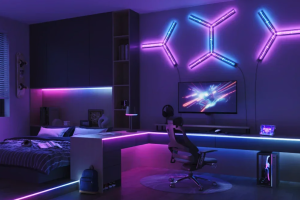
When you’re moving into your first apartment, one of the easiest ways to make it feel like yours is by nailing the lighting. Forget the bland overhead fixtures – good lighting can transform a space, making it feel cozy, functional, and reflective of your style. This isn’t just about brightness; it’s about layering different types of light to create atmosphere and highlight key areas. Let’s dig into some practical ways to achieve that.
Thinking about lighting in terms of layers is key to creating a well-lit, inviting space. Instead of just one bright source, you’re building up light from different directions and for different purposes.
Ambient Lighting: The Foundation
Ambient light is your general, overall illumination. It’s the baseline brightness that keeps you from bumping into furniture. In most apartments, this often comes from built-in overhead fixtures, but you can supplement or even replace these.
- Ceiling Fixtures: While often basic, a stylish flush mount or semi-flush mount fixture can elevate the look from the get-go. If you’re stuck with an ugly “boob light,” a simple, modern replacement can make a huge difference.
- Floor Lamps: A great way to add ambient light without wiring. Look for lamps with diffusers or upward-facing shades to bounce light off the ceiling, creating a softer, more even glow. A tall, slim floor lamp in a corner can effectively brighten a whole room.
Task Lighting: Getting Things Done
Task lighting is focused light designed for specific activities like reading, cooking, or working. It prevents eye strain and makes those activities more comfortable.
- Desk Lamps: Essential for any workspace, whether it’s a dedicated desk or just a corner of your dining table. Choose one that’s adjustable so you can direct the light precisely where you need it.
- Under-Cabinet Lighting: If your kitchen lacks good overhead light, or if you want better visibility for food prep, LED strip lights under upper cabinets are a game-changer. They’re easy to install, often peel-and-stick, and instantly brighten your countertops.
- Reading Lamps: A small table lamp next to your favorite armchair or on your nightstand is perfect for winding down with a book. Look for ones with opaque shades that direct light downwards.
Accent Lighting: The Mood Setter
Accent lighting highlights specific features, creates visual interest, and adds a touch of drama or coziness. This is where you really start to express your personal style.
- Table Lamps: Beyond task lighting, strategically placed table lamps on side tables, console tables, or shelves can add soft pools of light, making a room feel more intimate and layered.
- Picture Lights: If you have art or photos you want to show off, small, focused picture lights can draw attention to them. Battery-operated options are available if you don’t want to deal with wiring.
- Strip Lights: LED strip lights aren’t just for under cabinets. Placed behind a TV, under a bed frame, or even along the top of shelves, they can create a cool, modern glow and define spaces.
Smart Choices for Small Spaces
First apartments are often on the smaller side, so your lighting choices need to be efficient and space-conscious.
Maximizing Vertical Space
Don’t just think horizontally. Using vertical space for lighting can save precious floor or surface area.
- Wall Sconces: These are fantastic for providing ambient or accent light without taking up any floor or table space. Many modern sconces plug directly into an outlet, so no electrical work is needed.
- Clip-On Lamps: For a temporary or flexible solution, a clip-on lamp can attach to a shelf, headboard, or desk, providing focused light without a bulky base.
- Tall, Slim Floor Lamps: As mentioned for ambient light, a floor lamp with a small footprint can provide a lot of light without dominating a small room. Look for designs that are slender or have integrated shelving.
Multipurpose Lighting
When space is tight, anything that serves more than one function is a win.
- Floor Lamps with Shelves/Tables: These combine ambient light with a spot to set a drink, a book, or display a small plant.
- Table Lamps with USB Ports: Practical for charging your phone or other devices, reducing cord clutter on your nightstand or desk.
- Dimmable Lights: A dimmer switch (or a smart bulb with dimming capabilities) transforms a single light source. Your bright task light can become a soft, ambient glow for movie night with a quick adjustment.
Embracing Different Styles and Aesthetics
Lighting isn’t just functional; it’s a huge part of your apartment’s aesthetic. Don’t be afraid to let your personality shine through.
Modern Minimalist
Clean lines, simple forms, and often a focus on functionality.
- Geometric Shapes: Lamps with sleek, geometric bases or shades fit this style perfectly. Think cubes, cylinders, or abstract forms.
- Metallic Finishes: Brushed nickel, matte black, or brass can add a sophisticated touch.
- Integrated LEDs: Many modern fixtures feature built-in LED strips, offering a seamless, futuristic look.
Industrial Chic
Rough textures, exposed elements, and a nod to factory aesthetics.
- Metal Cages: Lamps with exposed bulbs and wire cages are a hallmark of industrial design.
- Edison Bulbs: These vintage-style bulbs with visible filaments emit a warm, orange glow that complements industrial fixtures.
- Dark Metals: Blackened steel, bronze, and dark iron finishes work well.
Bohemian Eclectic
Layered textures, global influences, and a relaxed, artistic vibe.
- Rattan or Woven Shades: These add natural texture and cast interesting shadows.
- Fabric Lampshades: Look for lamps with patterned or richly colored fabric shades.
- Fairy Lights/String Lights: Drape them across a wall, around a window, or over a headboard for a whimsical, cozy glow. (Just ensure they’re safely installed and not a fire hazard).
Classic/Transitional
A blend of traditional elegance and contemporary simplicity.
- Linen or Silk Shades: Offer a soft, diffused light.
- Subtle Curves: Look for lamps with gently curved bases or classic urn shapes.
- Glass Elements: Clear or frosted glass can add a touch of refinement.
Practical Considerations and Tips
Beyond aesthetics, there are some logistical things to keep in mind when choosing and placing your lighting.
Bulb Type Matters
The type of bulb you choose significantly impacts the quality of light and energy consumption.
- LED (Light Emitting Diode): The current king of bulbs. They’re energy-efficient, long-lasting, and come in a wide range of color temperatures and brightness levels. Definitely worth the slightly higher upfront cost.
- Color Temperature (Kelvin – K): This refers to how warm or cool the light appears.
- 2700K-3000K (Warm White): Similar to incandescent bulbs, creating a cozy, inviting atmosphere – great for living rooms and bedrooms.
- 3500K-4500K (Neutral White/Cool White): Brighter and more stimulating, good for kitchens, bathrooms, or home offices.
- 5000K+ (Daylight): Very bright, almost blue-white. Can feel harsh in living areas but useful for tasks requiring high visibility or in workspaces where you want to mimic natural light.
- Brightness (Lumens): Forget watts; lumens measure how bright a bulb actually is. A standard 60-watt equivalent incandescent bulb is about 800 lumens. Check packaging for lumen ratings to ensure you’re getting enough light.
Placement is Everything
Where you put your lights is just as important as the lights themselves.
- Avoid Central Overhead Dominance: While useful for general ambient light, relying solely on one central overhead fixture can create harsh shadows and a flat look. Use other layers to soften and balance.
- Light Dark Corners: Use a floor lamp or a couple of table lamps to brighten up neglected corners, making the room feel larger and more inviting.
- Consider Traffic Flow: Ensure floor lamps and table lamps aren’t placed where they’ll be easily knocked over or obstruct walkways.
- Eye Level: Position accent and task lights so they don’t shine directly into people’s eyes when seated or standing.
Rent-Friendly Solutions
Since you’re likely renting, permanent alterations are probably out. But there are plenty of options.
- Plug-In Fixtures: Most lamps are plug-in, making them perfect for renters. Look for plug-in wall sconces too.
- Command Hooks/Strips: Great for string lights or even lightweight clip-on lights where you don’t want to put holes in the wall.
- Battery-Operated Lights: For small accent lighting or areas without outlets, battery-operated LED puck lights or picture lights are a lifesaver.
- Smart Bulbs: These screw into existing fixtures and can be controlled via an app or voice assistant, offering dimming and color temperature changes without needing to install dimmer switches.
Budgeting for Brilliance
Lighting doesn’t have to break the bank.
- Start with Essentials: Prioritize one good ambient source and task lighting for your main activities. You can build up accent lighting over time.
- DIY & Secondhand: Thrift stores, online marketplaces, and even hand-me-downs can yield unique lamp bases. You can often update them with a new shade and bulb.
- Sales and Discounts: Keep an eye out for sales at home goods stores. Even discount retailers often have surprisingly stylish lamp options.
- Focus on Bulbs: Sometimes, simply upgrading the bulbs in existing (even ugly) fixtures can drastically improve the light quality.
By thinking strategically about your lighting layers, understanding what works for small spaces, and letting your personal style guide your choices, you can transform your first apartment from just a space into a truly illuminated home.