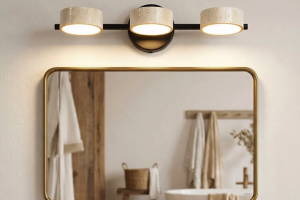
So, you’re wondering if a Japandi-inspired copper nightstand lamp can actually work on your kitchen island? The short answer is yes, absolutely! It might seem unconventional, but the unique blend of minimalism, warmth, and focused illumination that these lamps offer can be surprisingly effective in creating a warm, inviting, and practical glow over your kitchen island. It’s all about leveraging its inherent design strengths in a new context.
Finding Your Japandi Copper Lamp
When you’re searching for that perfect piece, it’s not just about grabbing the first copper lamp you see. The “Japandi” part of the equation is crucial. This design aesthetic is a beautiful fusion of Japanese wabi-sabi and Scandinavian hygge – think clean lines, natural materials, and a sense of calm and functionality.
Understanding Japandi Aesthetics
Japandi isn’t just a trend; it’s a philosophy. It prioritizes functionality, unadorned beauty, and a connection to nature. For lighting, this translates to designs that are often simple, minimalist, and made from natural or thoughtfully chosen materials. Copper fits perfectly here because of its natural warmth and ability to develop a beautiful patina over time, echoing the wabi-sabi appreciation for imperfection and aging. The form of the lamp should be understated, avoiding excessive ornamentation. Think simple geometric shapes, clean curves, or a direct, purposeful silhouette.
Why Copper? Material Matters
Copper isn’t just about the current metallic trend; it brings inherent qualities that make it ideal for this application. Its warm, rosy hue adds a touch of sophistication and warmth without being garish. Unlike colder metals like chrome or brushed steel, copper has an inviting quality. It also ages beautifully, developing a rich patina that tells a story and adds character, which aligns perfectly with Japandi principles. Functionally, copper is an excellent conductor of heat, which is a bonus for a light fixture. It also reflects light in a unique way, softening its intensity and spreading a gentle glow.
Key Design Elements to Look For
When browsing, keep an eye out for specific features. A sturdy, non-slip base is vital, especially on a kitchen island where things can get busy. The overall height should be considered – you want it to illuminate your workspace without being a visual obstruction or creating harsh glare. Look for lamps with enclosed or downward-facing shades to direct light effectively onto the countertop. Adjustable heads or dimmable features are big plusses, allowing you to tailor the lighting to your specific task or mood. Finally, consider the cord: a fabric-wrapped cord can add a touch of texture and feel more premium, aligning with the thoughtful details of Japandi design.
Why a Nightstand Lamp Works on a Kitchen Island
It might seem counterintuitive to take a lamp designed for a bedside table and move it to the busiest spot in your kitchen. But hear us out – there are some very practical and aesthetic reasons why this crossover actually works surprisingly well.
Task Lighting in Unexpected Places
Traditional kitchen lighting often involves overhead fluorescents or recessed cans, which are great for overall illumination but can create shadows or be too bright for certain tasks. A nightstand lamp, especially one with a focused beam, acts as excellent task lighting. Placed strategically on your island, it can perfectly illuminate your chopping board, a recipe book, or even a laptop while you’re working. The benefit here is direct, personal light without overwhelming the entire space.
Creating Ambiance and Mood
Kitchens aren’t just for cooking anymore; they’re often the heart of the home, a gathering spot, and a place for casual dining. Overhead lights can sometimes feel sterile and uninviting for these social occasions. A Japandi copper lamp casts a warmer, more intimate glow, transforming your island from a workspace into a cozy hub. This type of ambient lighting helps create a relaxed atmosphere, perfect for a morning coffee, an evening drink with friends, or simply unwinding. It adds a layer of warmth that ceiling lights often can’t achieve on their own.
Flexible and Adaptable Lighting
Unlike fixed pendant lights or under-cabinet strips, a nightstand lamp is portable. This is a huge advantage. You can move it around your island to highlight different areas as needed – closer to the sink for food prep, or further down for a laptop station. If you decide you don’t like it on the island, you can easily move it to a different counter, a shelf, or even back to its original home. This flexibility means you’re not committing to a permanent fixture, allowing you to experiment with your lighting scheme without significant investment or installation.
Aesthetic Statement and Unique Charm
Let’s be honest, using a nightstand lamp on a kitchen island is a bit unexpected, and that’s part of its charm. It adds an element of visual interest and personality that a standard kitchen fixture might lack. The Japandi aesthetic, with its minimalist yet warm appeal, brings a sophisticated touch. The copper material further enhances this, providing a rich, earthy tone that complements various kitchen styles, from modern to rustic. It helps break up the often hard, utilitarian surfaces of a kitchen, introducing a softer, more decorative element.
Placement Pointers for Your Island Lamp
Getting the right spot for your lamp on the kitchen island is key to making it functional and aesthetically pleasing. It’s not just about plonking it down; a little thought goes a long way.
Strategic Spacing and Clutter Control
Your kitchen island is often a multi-functional surface. Before placing the lamp, consider how you use the island. Do you regularly prep food there? Do you eat meals there? Have a designated spot for homework or a laptop? The lamp should ideally sit in an area that doesn’t interfere with these primary activities. This means avoiding the dead center if it’s consistently used for large-scale prep. When you place it, ensure there’s still ample free counter space around it. The Japandi aesthetic thrives on minimalism, so an uncluttered island with a thoughtfully placed lamp will look far better than one crammed with appliances and décor.
Considering Height and Scale
This is crucial for both function and visual balance. The lamp shouldn’t be so tall that it blocks views across the island or creates a visual barrier. Equally, it shouldn’t be so small that it looks lost or provides insufficient light. Generally, a lamp that stands about 18-24 inches tall works well on most kitchen islands, but this can vary depending on your ceiling height and the scale of your island. Hold the lamp in place (or something similar in size) before committing to a spot to get a feel for its visual impact. The light source itself should ideally be below eye level when seated or standing to avoid direct glare.
Power Access and Cord Management
This is often overlooked but incredibly important for safety and aesthetics. You’ll need access to an outlet. If your island has built-in outlets, you’re golden. If not, consider how you’ll run the cord. Avoid draping it across a high-traffic area where it could be a tripping hazard or get caught. A neat trick is to use cord clips to secure it along the underside of the island if you have an outlet nearby on a wall. Fabric-wrapped cords often look better than standard plastic ones, especially if they’re visible. If an extension cord is absolutely necessary, make sure it’s a heavy-duty, grounded one and try to hide it as best as possible.
Integrating with Existing Lighting
Your copper lamp won’t be the only light source in your kitchen, so think about how it works with what you already have. It can complement overhead lighting by adding warmth and depth, or it can provide a softer alternative when you don’t need full brightness. If you have pendant lights over your island, your nightstand lamp can serve as an additional, more focused task light or an accent light that introduces a new texture and material. It’s about creating layers of light that you can adjust to suit different times of day and activities.
Benefits Beyond the Bedroom
Bringing a nightstand lamp into the kitchen unveils a host of advantages that go beyond its traditional role. It’s about creative problem-solving and enhancing your daily living.
Enhancing Kitchen Functionality
Let’s talk practicality. Imagine you’re prepping vegetables. Overhead lights can sometimes create shadows from your body or hands, making precise knife work a bit trickier. A strategically placed Japandi copper lamp on your island provides direct, focused illumination right where you need it. This reduces strain on your eyes and makes tasks like chopping, reading recipes, or even carefully measuring ingredients much easier and safer. It’s targeted task lighting in its most accessible form, improving efficiency without requiring complex installation.
A Touch of Unexpected Style
Kitchens can sometimes feel purely utilitarian. Introducing a piece like a copper nightstand lamp adds an element of unexpected design. It breaks away from typical kitchen aesthetics and injects personality. The Japandi style, with its clean lines and natural materials, offers a sophisticated yet understated touch. The warm glow of copper against various countertop materials—be it granite, quartz, or wood—creates a beautiful contrast and focal point. It demonstrates an eye for detail and a willingness to be creative with your decor, elevating the overall look of your kitchen from merely functional to stylish and inviting.
Creating Zones Within an Open Plan
In many modern homes, the kitchen flows directly into the dining or living area. This open-plan layout is great for connectivity but can sometimes lack distinct zones. A well-placed lamp on your kitchen island can help define that space. When other lights are dimmed, the soft glow from the copper lamp can subtly signal the “kitchen zone,” creating a warm beacon without harsh boundaries. This helps to create a more intimate and defined atmosphere within a larger open space, making the kitchen feel like its own cozy retreat, even when it’s part of a bigger room.
Energy Efficiency and Cost Savings
Compared to powering multiple overhead lights or brighter, larger fixtures, a single, smaller lamp often consumes less energy. Many modern table lamps use LED bulbs, which are incredibly energy-efficient and long-lasting. This means you can achieve ample, focused light for specific tasks or create a lovely ambient glow without running up a high electricity bill. It’s an economical way to enhance your kitchen’s lighting scheme, offering a practical solution for both your eyes and your wallet, especially during times when you don’t need the full brightness of your main kitchen lights.
Maintenance and Care for Copper
Keeping your copper lamp looking its best is fairly straightforward, but copper does have its own unique characteristics that are worth understanding. A little care ensures it maintains its beauty, whether you prefer a shiny finish or a rich patina.
General Cleaning Tips
For everyday dusting, a soft, dry microfiber cloth is your best friend. Simply wipe down the surface to remove any dust or fingerprints. Avoid abrasive cleaners or sponges, as these can scratch the copper finish, especially if it’s polished. If you need a bit more than just dusting, a slightly damp cloth (with just water, no harsh chemicals) followed immediately by a dry cloth to prevent water spots works well. Always ensure the lamp is unplugged before cleaning to avoid any electrical hazards.
Embracing or Restoring Patina
One of the beautiful qualities of copper is its ability to develop a patina – a natural discoloration that forms over time due to oxidation. This can range from a darker, rich brown to green or bluish hues. Many people love this aged look, as it adds character and depth, aligning perfectly with the wabi-sabi aspect of Japandi design. If you appreciate the patina, simply let it develop naturally.
However, if you prefer your copper lamp to remain shiny and bright, you’ll need to polish it periodically. There are many commercial copper polishes available; just be sure to follow the manufacturer’s instructions carefully. Alternatively, a homemade solution of lemon juice and baking soda (creating a paste) can also work wonders. Apply the paste with a soft cloth, rub gently, rinse thoroughly with water, and then immediately dry and buff with a clean, soft cloth. Regular polishing will keep the lamp looking new, but remember that the patina will eventually return unless you maintain a consistent polishing schedule.
Protecting Your Investment
Beyond cleaning, there are a few things you can do to protect your copper lamp. Avoid placing it in areas where it’s constantly exposed to moisture, as this can accelerate unwanted tarnishing or even cause corrosion. While it’s on a kitchen island, try to keep it away from direct splashes from the sink or stovetop steam. If you do get water on it, wipe it dry immediately. Also, be mindful of harsh cleaning chemicals used on your countertops; ensure they don’t accidentally come into contact with the lamp, as some chemicals can damage the copper finish. A little bit of awareness goes a long way in preserving the lamp’s beauty for years to come.