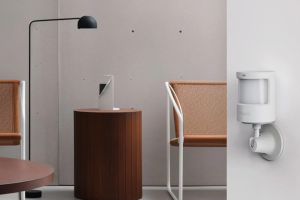
When picking a motion sensor light, the color temperature might seem like a small detail, but it actually plays a huge role in how useful and comfortable that light is. Simply put, warmer light (think yellowish) is generally better for relaxation and ambient settings, while cooler light (bluish-white) is more suited for task lighting and security. Making the right choice means understanding what these different hues mean for your eyes, your safety, and even your mood. Let’s dig into how to pick the perfect color temperature for your motion sensor lights, whether they’re for security, convenience, or just a little bit of both.
Understanding Color Temperature: More Than Just Brightness
Color temperature, measured in Kelvins (K), describes the visual appearance of light emitted by a light source. It’s not about how hot the bulb actually gets, but rather the color of the light it produces. Think of it like the difference between a fiery sunset and a clear blue sky – both are bright, but their colors are vastly different.
The Kelvin Scale Unpacked
The Kelvin scale ranges from very low numbers (around 1,000K) to very high numbers (over 10,000K). For most residential and commercial lighting, we typically deal with a range between 2,000K and 6,500K.
- Warm White (2,000K – 3,000K): This is the light that feels cozy and inviting. It’s similar to the glow of a traditional incandescent bulb or candlelight, with noticeable yellow and orange tones.
- Neutral White / Cool White (3,100K – 4,500K): This range offers a balance. It’s less yellow than warm white but not as starkly blue as daylight. It’s often described as clean and crisp without being harsh.
- Daylight White (4,600K – 6,500K): Mimicking natural daylight, this light is bright and bluish-white. It’s often associated with alertness and can make colors appear more vivid.
How Our Brains React to Different Hues
Beyond just looking different, various color temperatures actually have a physiological impact on us. Warm light tends to promote relaxation and can help signal to our bodies that it’s time to wind down. Cooler, bluer light, on the other hand, can suppress melatonin production and enhance alertness and focus. This is why you often see warm lights in bedrooms and living rooms, and cooler lights in offices or industrial settings. For motion sensor lights, this impact is crucial because you’re often dealing with unexpected illumination, and the color can significantly affect the user’s immediate reaction and comfort.
Matching Color Temperature to Application: Where and Why
Choosing the right color temperature for a motion sensor light isn’t a one-size-fits-all decision. The ideal hue depends heavily on where the light is located and what purpose it serves.
For Security and Surveillance: Prioritizing Clarity
When the primary goal of your motion sensor light is security, clarity and visibility are paramount.
- Exterior Security Lights (Driveways, Yards, Entryways): For these areas, a cooler color temperature (4,000K to 5,000K, or even 5,500K) is often the best choice. This “daylight” or “cool white” range helps to:
- Enhance Visibility: Cooler light tends to appear brighter and more intense, making it easier to identify objects or individuals in the illuminated area. This is especially important for deterring intruders or for reviewing security camera footage, where clear detail is crucial.
- Improve Contrast: The whiter light can provide better contrast, helping to distinguish shapes and textures, which is beneficial for spotting potential threats or obstacles.
- Mimic Natural Light: By mimicking daylight, these lights make the environment feel more naturally lit, reducing the feeling of being in a “dark zone” that’s suddenly hit with a dim, yellow glow.
- Discouraging Loitering: A very bright, cool white light can feel somewhat less inviting, which can subtly discourage people from lingering unnecessarily.
- Garage and Workshop Security: Similar to exterior security, a neutral to cool white (4,000K – 5,000K) is generally preferred. These areas often require good visibility for tasks anyway, so the color temperature serves a dual purpose: security and utility. It helps ensure you can clearly see tools, objects, or any potential intruders.
For Pathways and Convenience: Balancing Safety and Comfort
Motion sensor lights for pathways, stairs, or interior convenience need a different approach. Here, you’re looking for illumination that guides without being jarring.
- Outdoor Pathways and Deck Lighting: For these areas, a neutral white (3,500K to 4,000K) is a great compromise. It’s bright enough to safely navigate but isn’t as harsh as the bluer security lights.
- Gentle Illumination: This range provides sufficient light to see steps, uneven surfaces, or obstacles without overwhelming the eyes, especially if someone is stepping out from a dark indoor space.
- Less Intrusive: It blends more naturally with landscaping and architectural features, creating a more pleasant ambiance than a stark, cool light.
- Neighbor Consideration: A slightly warmer light is less likely to cause light pollution or annoy neighbors if it accidentally triggers.
- Interior Hallways, Closets, and Pantries: For indoor convenience lighting, especially in transitional spaces, a warm white to neutral white (2,700K to 3,500K) is usually best.
- Comfort for Eyes: When you’re just quickly grabbing something from a pantry or walking down a dark hallway, a sudden burst of very cool light can be uncomfortable and jarring, especially at night. Warmer light is much gentler on the eyes.
- Integrates with Home Decor: This range blends well with typical interior home lighting, which is often in the warm white spectrum, ensuring a consistent look and feel.
- Less Disruptive to Sleep Cycles: If the light triggers in the middle of the night (e.g., for a bathroom trip), warmer light is less likely to disrupt melatonin production, making it easier to fall back asleep.
- Bathroom Night Lights (Motion Activated): Absolutely lean towards warm white (2,700K to 3,000K) for these. The goal is to provide just enough light to see without fully waking up. A bright, cool light in the middle of the night can be a rude awakening and disrupt your body’s natural sleep rhythm.
For Accent and Ambiance: Setting the Mood
Sometimes, motion sensor lights are used for subtle accent lighting, like around outdoor seating areas or specific architectural features.
- Outdoor Seating Areas or Architectural Accents: For these, a very warm white (2,000K to 2,700K) or even an “ultra-warm” option if available, is often preferred.
- Cozy and Inviting: This color temperature enhances the feeling of warmth and comfort, ideal for creating a pleasant atmosphere in outdoor living spaces.
- Highlighting Features: It can beautifully illuminate natural materials like wood or stone, bringing out their warm tones.
- Subtle Presence: The light activates only when needed, providing a welcoming glow without being constantly on.
The Practical Side: Installation Location and Environmental Factors
Beyond the primary purpose, where you install your motion sensor light and the surrounding environment also play a significant role in the best color temperature choice.
Considering Surrounding Light Sources
Think about other lights in the vicinity. Do you have existing landscaping lights, porch lights, or streetlights?
- Consistency is Key: If you want a cohesive look, try to match the color temperature of your motion sensor light to existing fixtures. For example, if your porch light is a warm 2,700K, a stark 5,000K motion sensor light right next to it might look out of place.
- Complementary vs. Contrasting: Sometimes, a subtle contrast can work. A warmer motion light on a path leading to a cooler-lit security zone could serve as a visual cue. However, generally, avoiding extreme differences in immediate areas is a good idea for visual comfort.
- Daylight Integration: For outdoor lights, consider how the light will look at dusk and dawn. A cool white might blend better with the transitioning natural light of a clear evening, while a warm light could feel more welcoming as darkness fully sets in.
Impact of Materials and Colors
The surfaces and objects that your motion sensor light will illuminate also influence how the color temperature is perceived.
- Warm Tones: If your home has a lot of brick, wood, or earthy tones, a warmer light (2,700K – 3,500K) will enhance these colors, making them appear richer and more vibrant. A very cool light could make them look washed out or dull.
- Cool Tones: For modern homes with grey siding, metal accents, or cool-colored landscaping, a neutral to cool white (3,500K – 5,000K) might complement the aesthetic better. It can make these materials appear crisp and clean.
- Reflectivity: Highly reflective surfaces (like glossy paint or metal) will amplify the color temperature. A very bright, cool light on a white wall could be quite intense, while a warmer light might soften the effect.
Seasonal and Climate Considerations
While perhaps less obvious, the seasons and climate can subtly influence color temperature preferences.
- Winter vs. Summer: In colder, darker winter months, a warmer light might feel more inviting and cozy, counteracting the often stark and cool natural light. In contrast, during warmer summer evenings, a crisp, cool white might feel refreshing and clean. This is more of a preference than a rule, but worth considering for permanent installations.
- Fog and Haze: In areas prone to fog or haze, very cool, bluish light can sometimes refract more and create a blinding glare. A slightly warmer light (around 3,000K – 4,000K) can sometimes cut through fog more effectively and be less reflective.
Beyond the Basics: Advanced Considerations for the Savvy User
For those who want to fine-tune their motion sensor lighting, there are a few more points to ponder. These go beyond the immediate purpose and delve into the nuances of modern lighting technology and personal preferences.
Dimmable Motion Sensor Lights and Tunable White Options
Modern technology offers more flexibility than ever before.
- Dimmability: Many high-quality motion sensor lights are now dimmable. This isn’t just about brightness; it means you could, theoretically, have a very bright cool light for security, but when it triggers, it could briefly dim to a more comfortable level after the initial burst. This feature is more about the intensity of light rather than the color temperature itself, but it plays into the overall user experience.
- Tunable White Technology: This is a game-changer for people who truly want control. Tunable white lights allow you to adjust the color temperature on demand, typically via a smartphone app or a dedicated switch.
- The Ultimate Flexibility: Imagine having your outdoor motion sensor set to a crisp 5,000K for security during the night, but then being able to switch it to a softer 3,000K for ambient lighting when you’re entertaining guests on the patio.
- Dynamic Adjustments: Some advanced systems can even be programmed to automatically adjust the color temperature based on the time of day, offering warmer light in the evenings and cooler light in the mornings.
- Cost vs. Benefit: While offering incredible versatility, tunable white fixtures are generally more expensive than single-color temperature options. You’ll need to weigh if the added flexibility is worth the investment for a motion sensor light, which is often only on for short bursts.
CRI (Color Rendering Index) and Its Relevance
While color temperature describes the hue of the light, CRI describes how accurately colors appear under that light. It’s measured on a scale of 0 to 100, with 100 being natural daylight.
- Why it Matters: For motion sensor lights, especially those used for security or task lighting, a high CRI (80+ is generally considered good) means that objects and colors will appear more true-to-life.
- Security: If you’re trying to identify someone or something on security camera footage, a high CRI light will ensure that colors (like clothing, vehicle colors) are accurately represented. A low CRI light can make everything look dull and distorted, making identification difficult.
- Task Lighting: In a workshop or pantry, a high CRI light ensures you can correctly distinguish between different items or wires.
- Interaction with Color Temperature: A light can have a cool color temperature but still have a high CRI, meaning it’s a bright, bluish-white light that still renders colors accurately. It’s possible to have a low CRI light at any color temperature, which would make colors look muddy or washed out regardless of whether the light is warm or cool. Always look for both the Kelvin rating and the CRI when selecting bulbs or integrated fixtures.
Energy Efficiency and LED Technology
Almost all modern motion sensor lights use LED technology, which is inherently energy-efficient. However, the choice of color temperature doesn’t significantly impact the energy consumption of an LED light of the same wattage.
- LED Benefits: LEDs are long-lasting, durable, and consume much less power than traditional bulbs. This is particularly beneficial for motion sensor lights, which are often installed outdoors and need to withstand various weather conditions.
- Brightness Perception: While warmer lights and cooler lights of the same lumen output consume the same amount of energy, cooler lights (especially in the 4,000K-5,500K range) often appear brighter to the human eye. This means you might be able to achieve the desired level of perceived brightness with a slightly lower lumen output (and thus potentially lower wattage) if you opt for a cooler temperature, though this difference is usually negligible in practice. The main takeaway is that your color temperature choice won’t make your electricity bill suddenly skyrocket or plummet.
Final Thoughts: Prioritizing Your Needs
Choosing the right color temperature for your motion sensor light comes down to a careful balance of purpose, location, aesthetics, and personal preference. There’s no single “best” answer, but rather a “most appropriate” one based on your specific situation.
Key Takeaways to Remember
- Warm (2,000K-3,000K): Best for comfort, relaxation, and areas where minimal visual disruption is desired, like bathrooms or bedside pathways.
- Neutral (3,100K-4,500K): A good all-rounder for general utility, pathways, and areas needing clear but not harsh illumination. Offers a good balance for visibility without being too cold.
- Cool (4,600K-6,500K): Ideal for security, task lighting, and areas where maximum visibility and alertness are priorities, such as driveways, security zones, and workshops.
- Consider CRI: Especially for security and task lighting, a high CRI (80+) ensures accurate color rendering.
- Look for Tunable White: If flexibility is paramount and budget allows, tunable white options offer the best of both worlds.
Before making a purchase, take a moment to visualize the light in its intended spot. Think about who will be using it, when it will most likely activate, and what kind of atmosphere you want to create or what task needs to be performed. A little planning goes a long way in ensuring your motion sensor light isn’t just functional, but perfectly suited to your needs.